Michael Witmore
Independent scholar and advisor
I write and research at the meeting point of the humanities and technology, and advise cultural institutions when the work is a good fit.
Independent scholar and advisor
I write and research at the meeting point of the humanities and technology, and advise cultural institutions when the work is a good fit.
Memory institutions are under real strain. Budgets are tighter, expectations are higher, and the questions that matter most are the easiest to postpone. What I offer is not a growth plan but a way of slowing the problem down: careful attention to what an institution is for, honest conversation with the people who depend on it, and a direction its board and staff can actually carry out.
I have led that kind of work from the inside, and I bring the same patience to the institutions I advise now. My interests run from the history of the book to computational approaches to Shakespeare, and I am as comfortable with a board of trustees as with a research problem.
Much of my work has been about bringing people together — scholars, artists, and technologists — around a shared question. A few collaborations I have convened or joined:
A framework for keeping today's digital culture legible for five centuries and more. I serve as executive director. Visit →
Tracing morally charged language across thousands of seventeenth-century books, published in Digital Scholarship in the Humanities (Oxford).
As director of the Folger, I commissioned new work from artists whose ideas could speak both to Shakespeare and to a wider public:
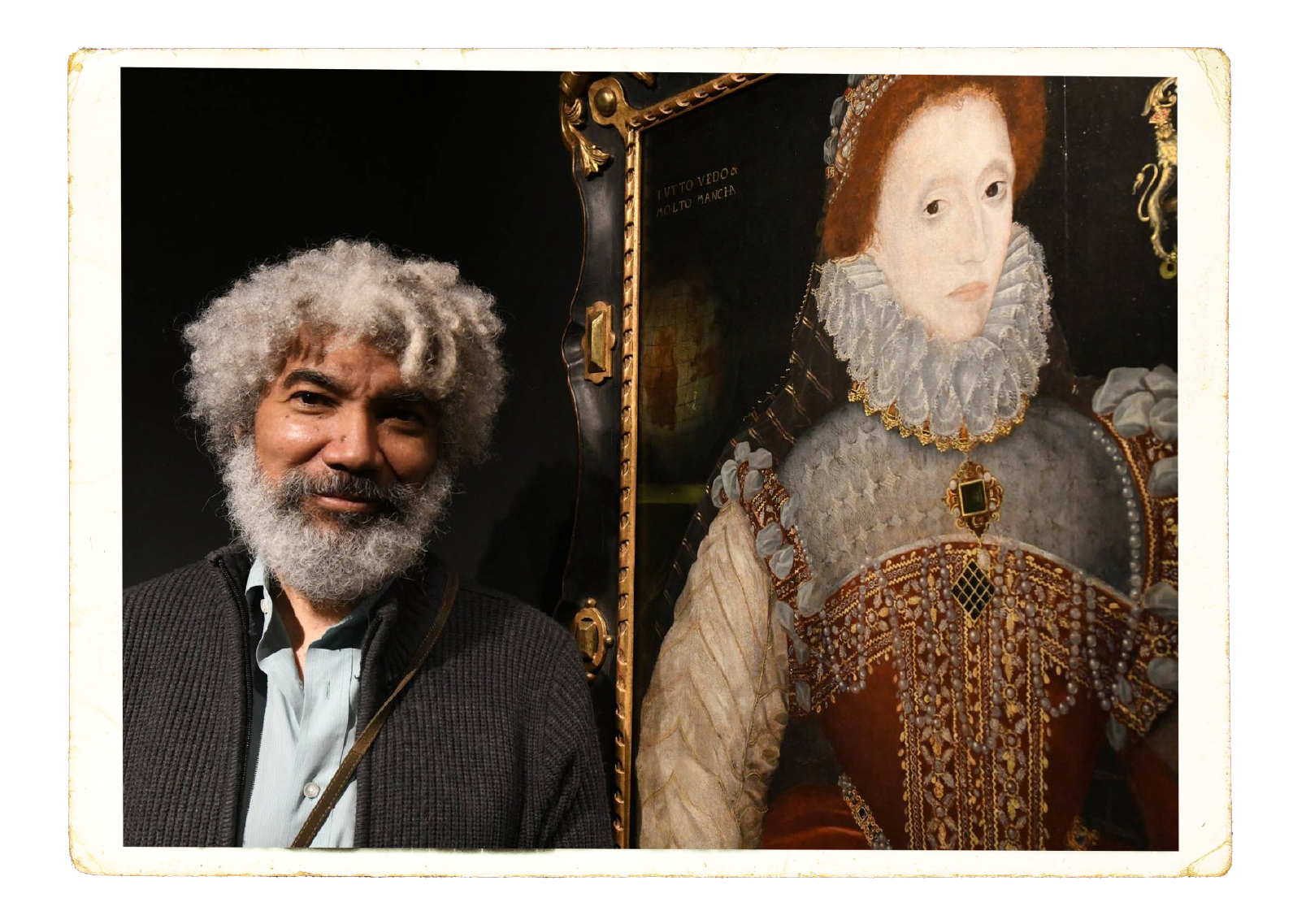
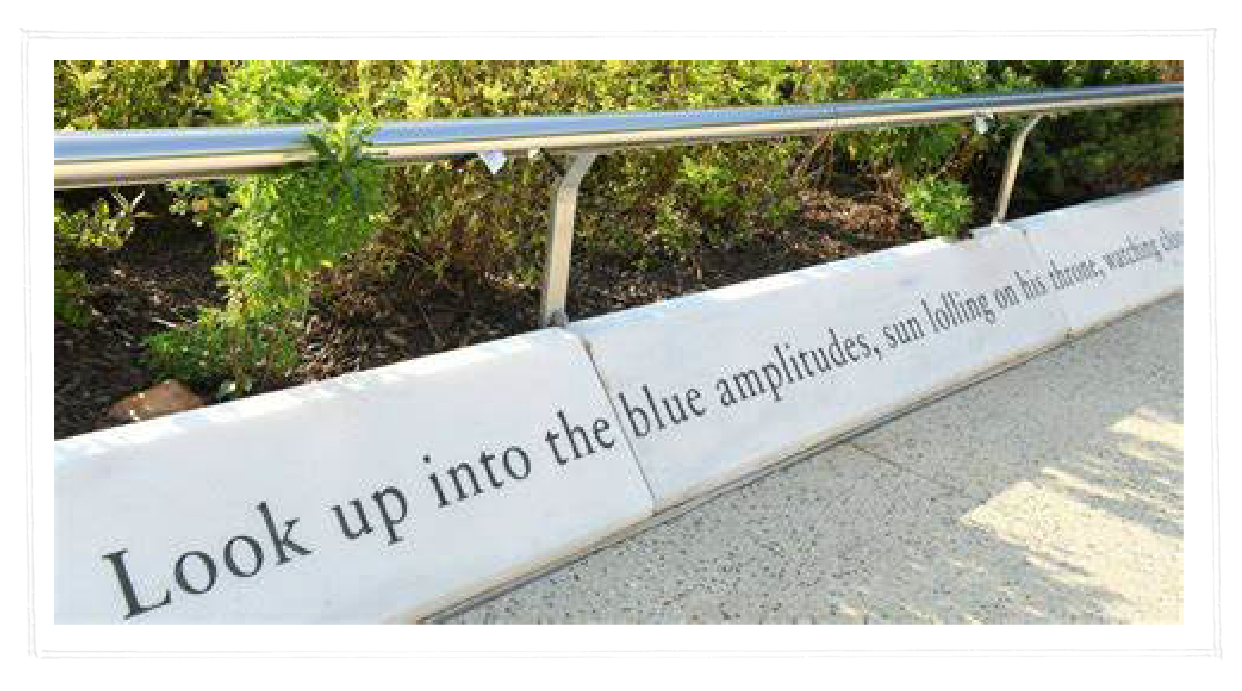
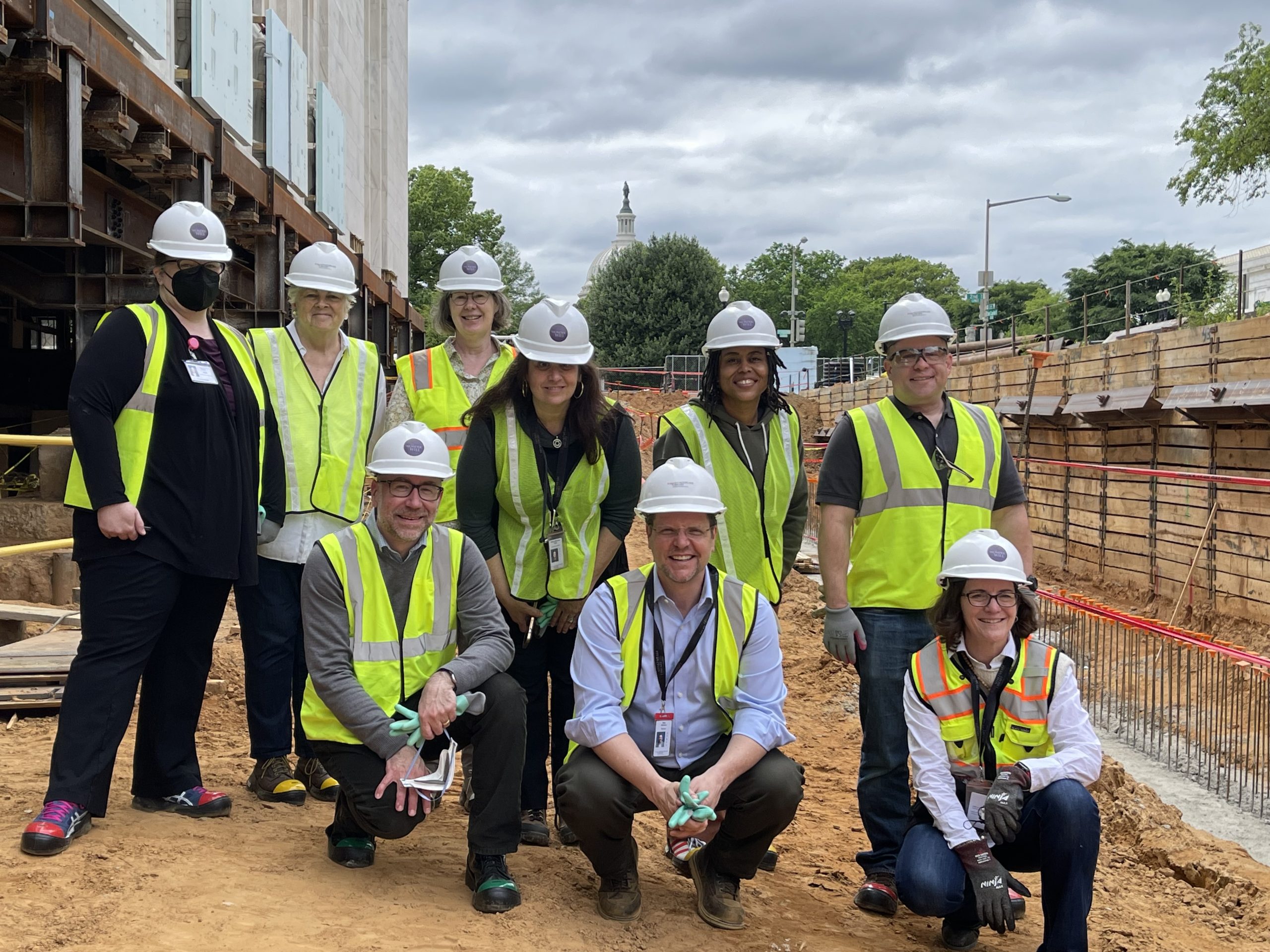
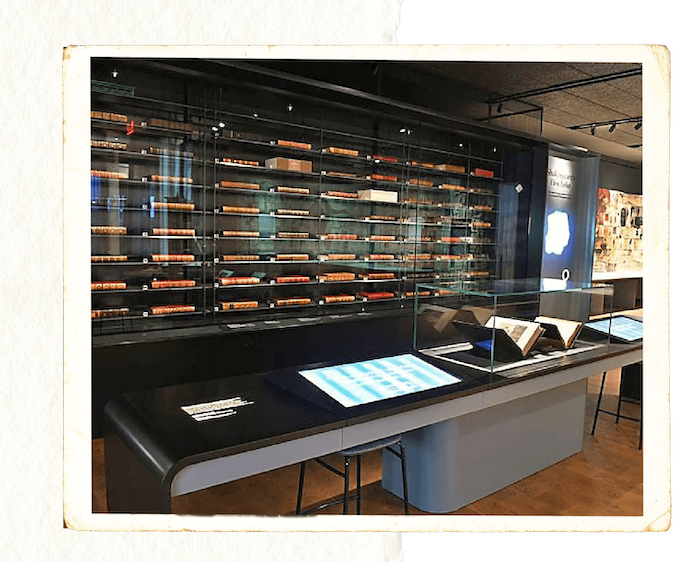
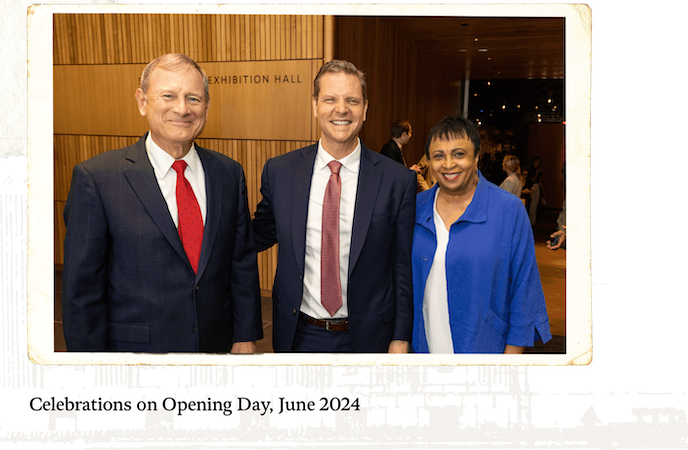
As director of the Folger Shakespeare Library, I led a four-year renovation of its landmark 1932 building — expanding public space while preserving the historic interiors, and raising more than $50 million through the largest capital campaign in the institution's history. The $80.5 million project appeared on the cover of Architectural Record, was reviewed in the New York Times, the Washington Post, the Guardian, and Washingtonian, and was commended by King Charles III at the reopening in June 2024.
Michael Witmore brings a rare combination of cultural stewardship and technical vision. In our collaboration on Digital Vellum, I have seen firsthand how he bridges the humanities and computer science, ensuring that memory institutions not only adapt to AI but use it wisely.
Michael Witmore brought a visionary clarity to the Folger Shakespeare Library renovation. His leadership ensured that every design decision honored the building's historic integrity while embracing the needs of contemporary audiences.
Working with Michael was a true collaboration. He created space for difficult questions and stood behind the answers, even when they challenged the status quo.